
Transcript
Announcer:
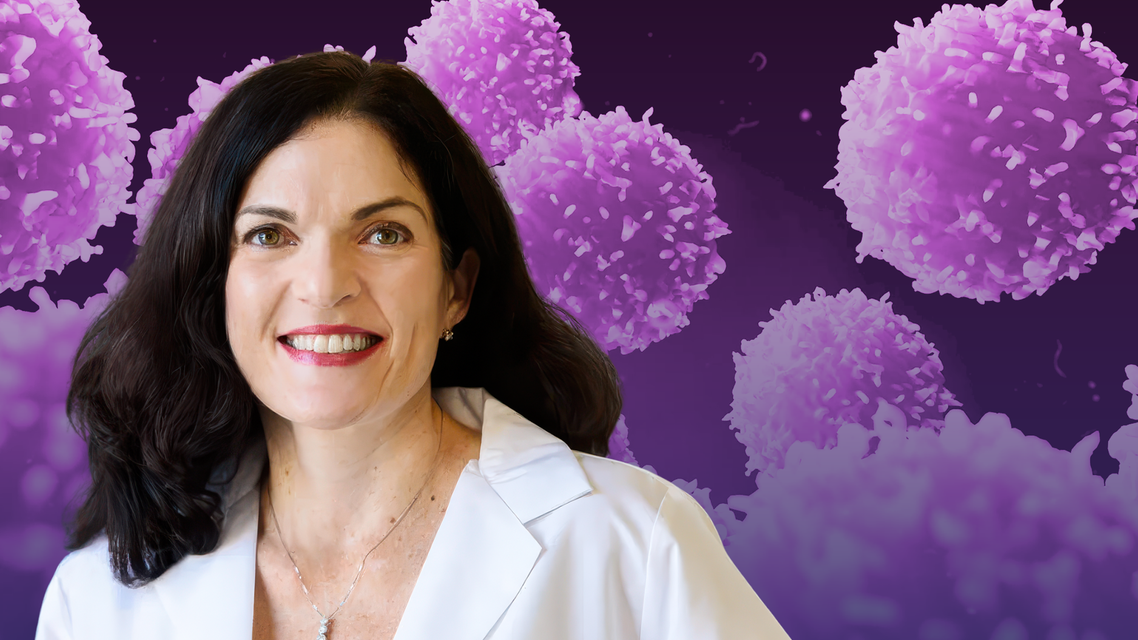
You’re listening to Project Oncology on ReachMD. On this episode, we’ll hear from Dr. Amy Comander. Not only is Dr. Comander the Medical Director of the Mass General Cancer Center in Waltham, but she also serves as the Director of the Breast Oncology Program at Newton-Wellesley Hospital. She’ll be sharing strategies for implementing lifestyle medicine into breast cancer survivorship care. Here’s Dr. Comander now.
Dr. Comander:
So we know that clinicians face many challenges when trying to implement these tools from lifestyle medicine into survivorship care. There have been studies that show that many oncology clinicians unfortunately don't have enough time in their visits to address these issues; maybe they feel that they don't have the adequate knowledge base to discuss these issues, and often, they feel they might not have colleagues that they can refer their patients to to help their patients adopt an exercise routine, work on their nutrition, or improve their sleep. So these are key barriers that clinicians often face in clinic.
But in addition, our patients have often cited barriers as well. A recent 2026 national ASCO survey of over 1,900 patients found that the most common barriers to adopting healthy lifestyle behaviors were lack of energy as well as physical limitations. So when we think about the clinicians as well as the barriers for patients, we have lots of work to do to help our patients adopt these healthy lifestyle behaviors, which are so important in terms of improving their outcome.
I think it's really just important to talk about these issues with our patients, and I have data to support this. A national ASCO survey of over 2,400 oncology patients found that for those individuals where their oncologists asked them, for example, about exercise or other lifestyle behaviors, this motivated the patient to think about this issue and try to adopt an exercise routine, for example. So we know that when an oncology clinician asks the patient about exercise, addresses their weight, or talks about nutrition, this does make a positive impact on the patient in terms of them wanting to make these important changes.
In addition, there are other suggestions that oncology clinicians can follow to integrate these tools into their clinic. That would mean building a referral network. We know that there are so many resources—certainly in cancer centers, but also in the community—to help our patients embrace exercise, healthier eating, improve their sleep, and improve social connections. For example, we can refer them to group exercise programs in our community that often focus on the needs of cancer patients. We can look for registered dietitians either in our cancer center or in our community who have a specific interest in training and working with patients with cancer or working with physical therapists, occupational therapists, smoking cessation programs, health coaches, you name it. There are many resources that can be explored to help our patients adopt these lifestyle behaviors.
And finally, we know that there's so much interest now in technology. Many of our patients have a Fitbit or an Oura Ring, and these are often great tools to help our patients, again, adopt healthy lifestyle behaviors after a diagnosis of cancer.
Announcer:
That was Dr. Amy Comander talking about how we can implement lifestyle medicine into breast cancer survivorship care. To access this and other episodes in our series, visit Project Oncology on ReachMD.com, where you can Be Part of the Knowledge. Thanks for listening!