
Transcript
Announcer:
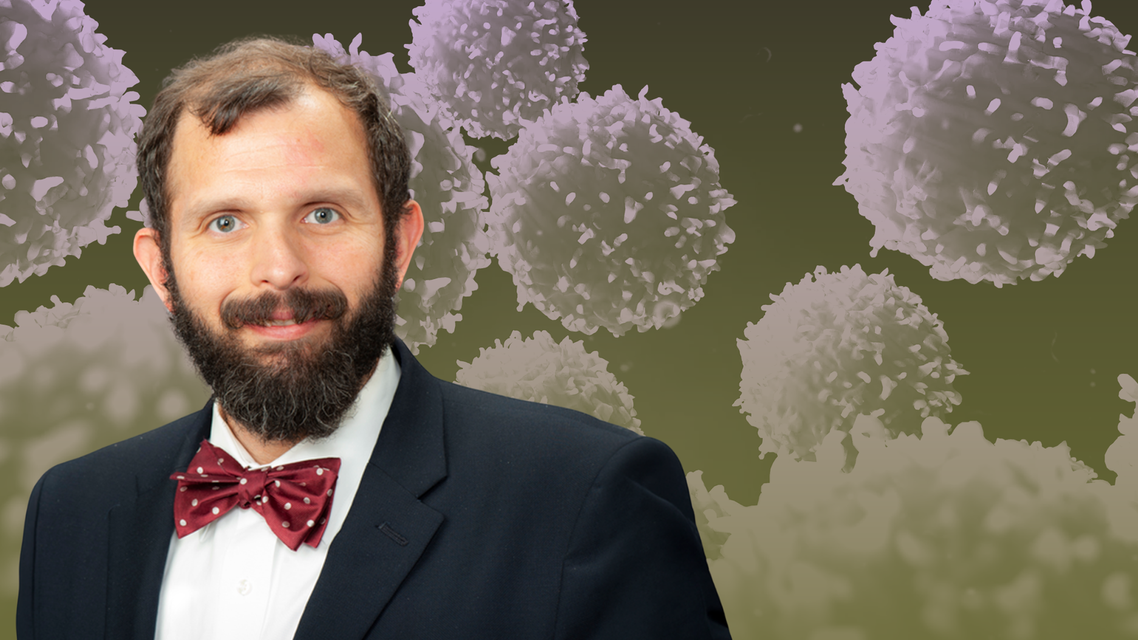
This is Project Oncology on ReachMD. On this episode, we’ll explore the opportunities and challenges of translating radiation resistance research into new therapeutic strategies for head and neck squamous cell carcinoma with Dr. Heath Skinner. He’s a Professor and Chair of Radiation Oncology at the University of Pittsburgh School of Medicine. Here’s Dr. Skinner now.
Dr. Skinner:
Once we've identified a potential driver of radioresistance, you have to figure out if this is something that could eventually proceed to clinic. This is where many promising approaches or therapeutics can ultimately fail. The bar is quite high, as it should be, to go from something that is promising preclinically to something in a clinical trial. So what is needed to get from preclinical investigation to clinical trials?
A lot of it has to do with the target and what you have to do to target it. One thing that I and many others have done historically is to try to repurpose drugs that currently exist and are utilized in patients in some way, either for patients who have cancer or who have other diseases that involve signaling pathways that are important in cancer. And then that reduces the bar to some degree because the drug has already been used in patients, so you know that it's passed a safety threshold. That makes the transition a little easier.
If you don't have that, then you've got to proceed through early-stage research. Even before phase zero trials, you're looking at doing non-human primate work, for example. Oftentimes, that's something you have to do, which is very costly to combine a given drug with radiation. And then let's say you get through that, and then you're doing phase zero and one pharmacodynamic, pharmacokinetic, and toxicity studies. Those are very costly and oftentimes they don't succeed. Almost all of them are done in the absence of radiation. So then there's another barrier because we still have to overcome the barrier of combining the drug with radiation. So it's like you're running a phase one study all over again with a particular drug, a particular target, and radiation. Because whatever you're targeting may have off-target effects that are worsened by radiation that weren't seen in the original clinical trial. So that is another barrier to getting effective radiosensitizers into the clinic.
And then finally, you're relying on colleagues, primarily pharmaceutical companies, and collaboration with the federal government like the NCI and NIH, which all are wonderful collaborators and colleagues. But radiation has a little bit of a stigma associated with it. Sometimes, people are reluctant to combine their drug or reluctant to fund clinical trials that combine particular agents with radiation because there are always toxicity concerns. You hear it almost all the time that at some point, radiation will be replaced because this next drug will be amazing. And the fact remains that around 60 to 70 percent of cancer patients will receive radiation at some point in their disease course, and more than half will receive it with the goal of cure. I always tell my medical oncology colleagues that systemic therapy is great, but for the vast majority of patients, cure comes from local therapy, surgery and/or radiation.
Announcer:
That was Dr. Heath Skinner talking about the opportunities and challenges of translating radiation resistance research into new therapeutic strategies for head and neck squamous cell carcinoma. To access this and other episodes in our series, visit Project Oncology on ReachMD.com, where you can Be Part of the Knowledge. Thanks for listening!


